Worldbuilding · Environment Design · 3D
Almost Gone
A solo Unreal Engine environment where a family’s story is pieced together from the objects, interrupted routines, and contradictory clues left in their home.
I built Almost Gone as a worldbuilding study in how absence can carry narrative. Rather than explaining what happened directly, I used everyday objects, interrupted routines, and conflicting clues to let the player piece the story together through exploration.
The Idea
Almost Gone explores how a physical space can hold evidence of the people who lived in it after they are gone. The story is never explained. It lives in what was left behind: absence, contradiction, and small environmental clues instead of direct exposition.
Story Through Contradiction
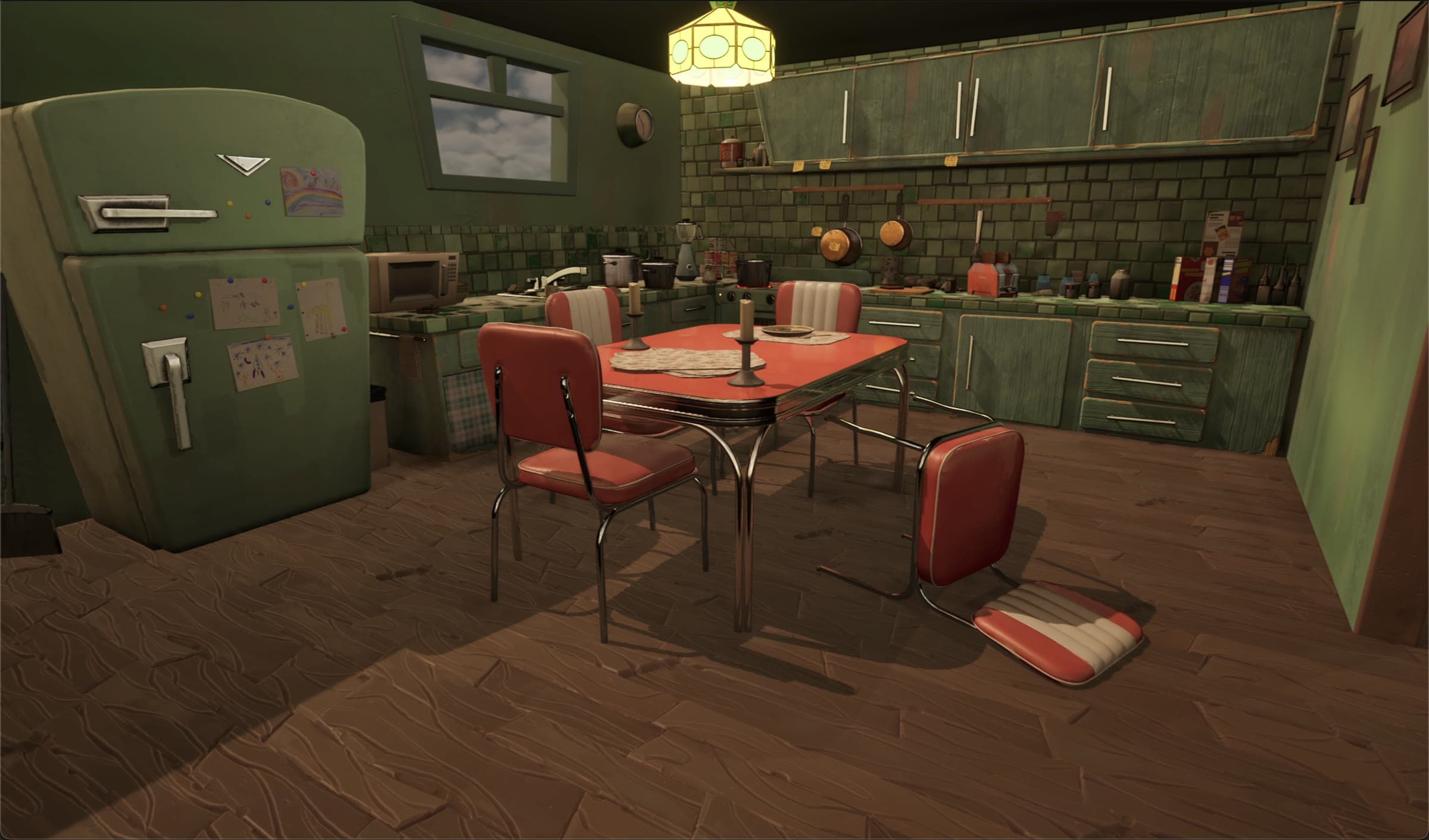
The kitchen first reads as an ordinary morning. Then the clues stop agreeing with each other. That tension is the core design idea, and the player is asked to reconcile it instead of being handed an answer.
- A planned departure
- Moving boxes suggest the family was preparing to leave.
- An interruption
- Unfinished meals, a cup of coffee, open books, and abandoned belongings suggest events moved faster than expected.
Reading the Environment
Each room carries the same pattern of a life stopped mid-action. These frames are from the final video.
Kitchen
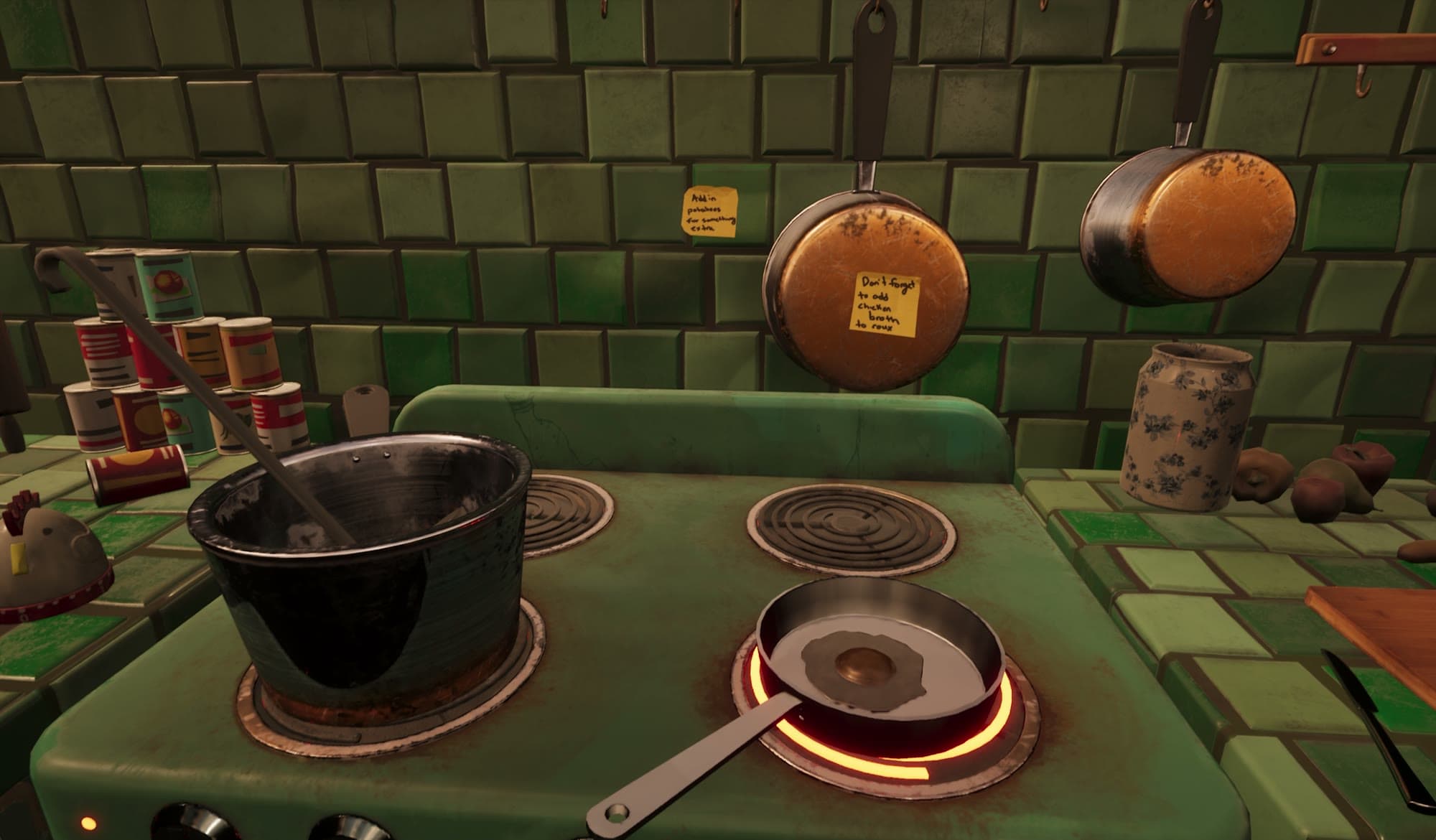
An egg is still cooking on the stove. Handwritten reminders stay stuck above the stovetop. A chair has been knocked over. Everything looks like someone stepped away from an ordinary morning.
Living Room
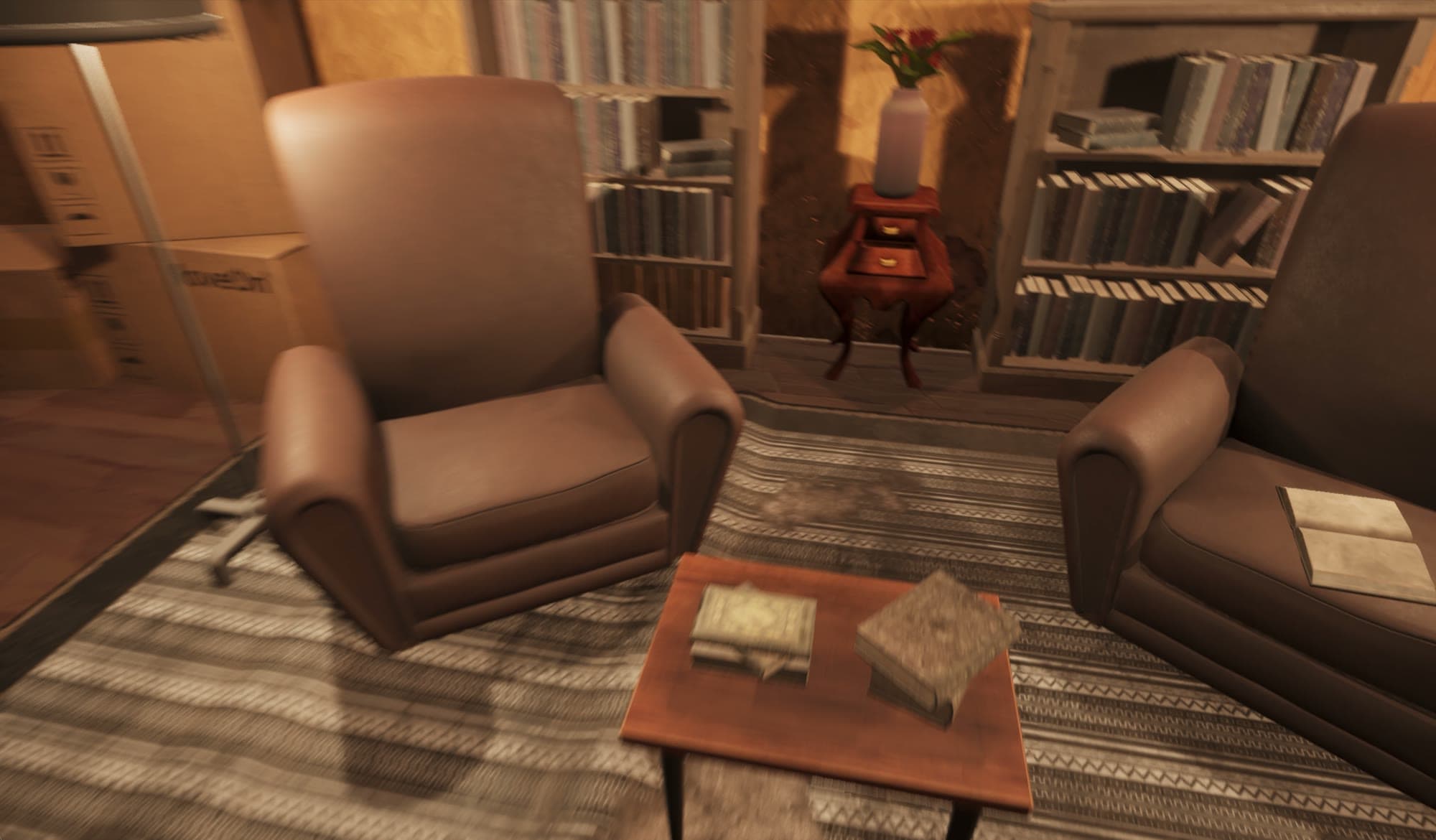
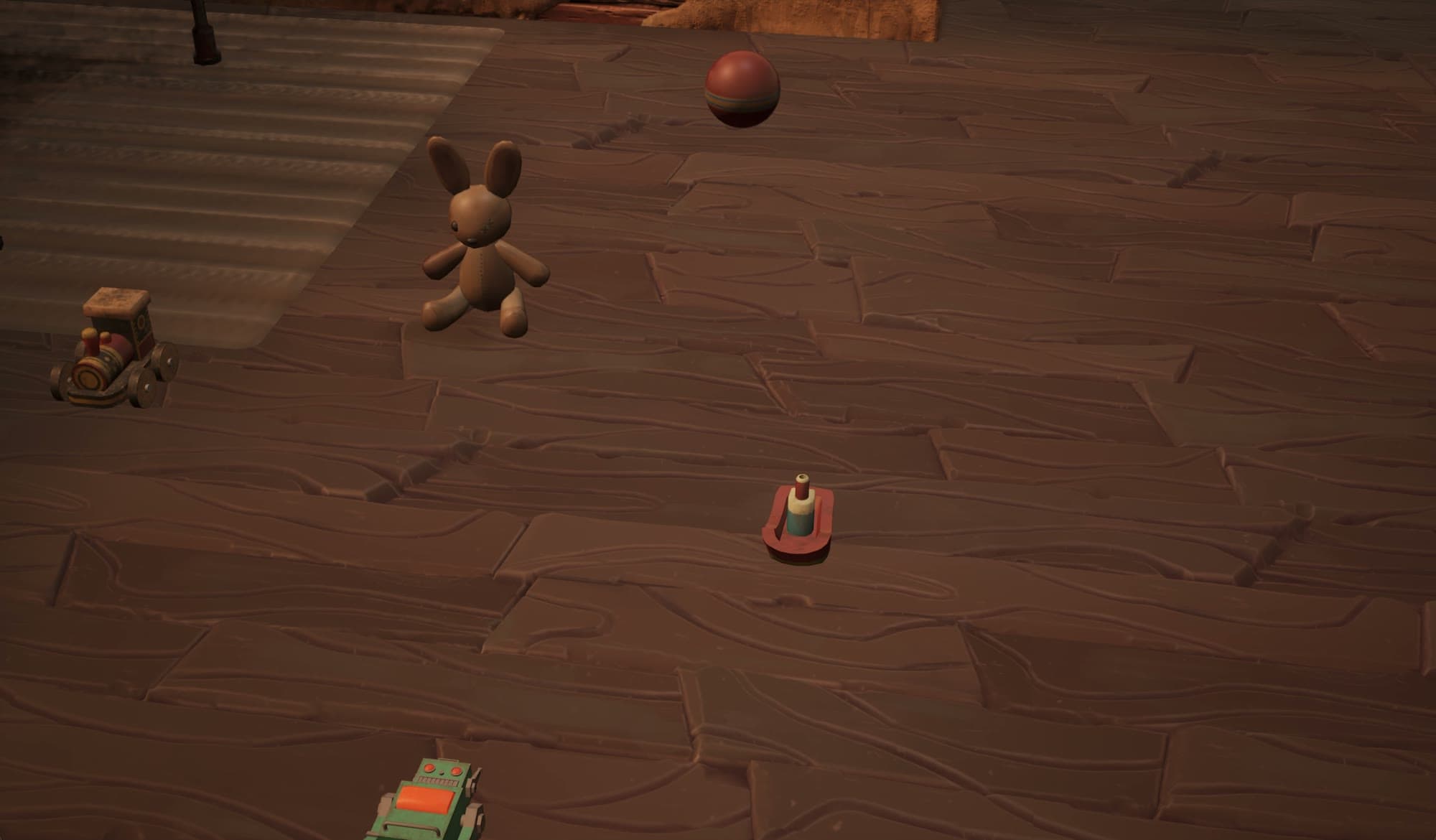
Open books and scattered papers sit where they were put down, with children’s toys nearby and radio static in the background. Moving boxes stand against the wall.
Bed / Workspace
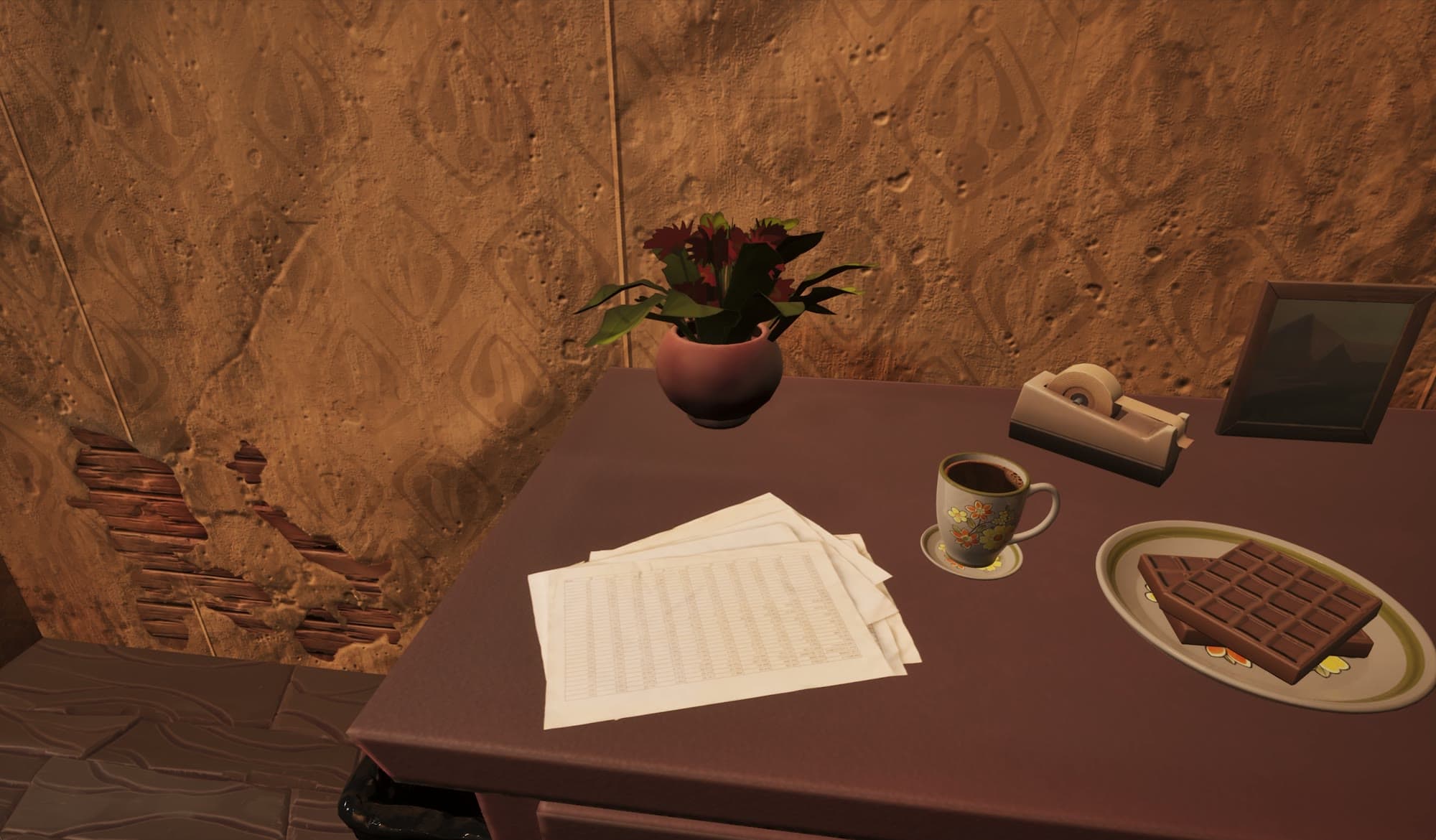
The pattern continues: food and drinks still out, and documents covering the desk. A full cup of coffee sits beside a plate of food and a stack of papers.
Discovery as Interaction
The player is an observer, not a traditional protagonist. Moving through the space, noticing evidence, and assembling the story is the main form of engagement. There is no definitive answer. Absence is understood through what remains.